
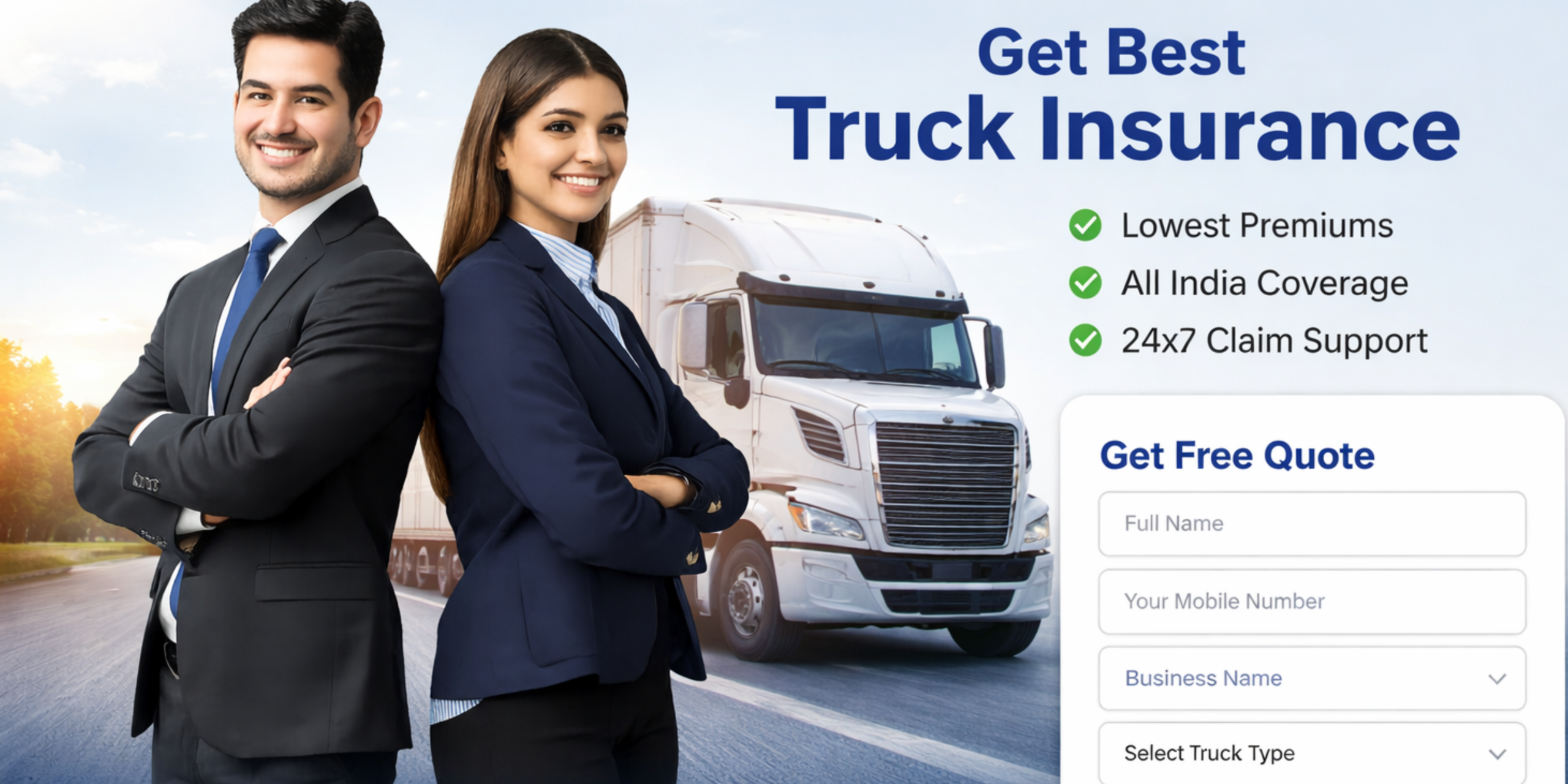
Recommended insurance policies for commercial trucking
The US trucking industry is strictly regulated by the FMCSA (Federal Motor Carrier Safety Administration), which mandates specific insurance limits for interstate movers.
Physical Damage Coverage
This protects the truck driver’s own investment. It is not required by law but is usually required by lenders if the vehicle is financed.
Collision:
Covers repairs to your truck if it hits another object or overturns. Comprehensive: Covers non-collision events like theft, vandalism, fire, or “acts of God” (hail, floods).
Motor Truck Cargo Insurance
This protects the carrier for liability in the event of lost or damaged freight. If the goods being hauled (electronics, produce, machinery) are damaged due to an accident, fire, or even refrigeration failure (reefer breakdown), this policy pays the owner of the cargo.
General liability insurance
This is the most essential and legally required trucking insurance. It covers damage or injuries to third parties (other people and their property) caused by your truck. In the US, most interstate haulers are required to carry a minimum of $750,000 in liability coverage, though many brokers require $1,000,000.
Verified business insurance reviews
![“[They are] always supportive and helpful. Knowledgeable and resourceful.” Elisa from California review 1 quote 1 “Excellent customer service from start to finish.” Stacy from North Carolina revie (11)](https://insurerodo.com/wp-content/uploads/2026/01/They-are-always-supportive-and-helpful.-Knowledgeable-and-resourceful.-Elisa-from-California-review-1-quote-1-Excellent-customer-service-from-start-to-finish.-Stacy-from-North-Carolina-revie-11.png)
![“[They are] always supportive and helpful. Knowledgeable and resourceful.” Elisa from California review 1 quote 1 “Excellent customer service from start to finish.” Stacy from North Carolina revie (10)](https://insurerodo.com/wp-content/uploads/2026/01/They-are-always-supportive-and-helpful.-Knowledgeable-and-resourceful.-Elisa-from-California-review-1-quote-1-Excellent-customer-service-from-start-to-finish.-Stacy-from-North-Carolina-revie-10.png)
![“[They are] always supportive and helpful. Knowledgeable and resourceful.” Elisa from California review 1 quote 1 “Excellent customer service from start to finish.” Stacy from North Carolina revie (9)](https://insurerodo.com/wp-content/uploads/2026/01/They-are-always-supportive-and-helpful.-Knowledgeable-and-resourceful.-Elisa-from-California-review-1-quote-1-Excellent-customer-service-from-start-to-finish.-Stacy-from-North-Carolina-revie-9.png)
![“[They are] always supportive and helpful. Knowledgeable and resourceful.” Elisa from California review 1 quote 1 “Excellent customer service from start to finish.” Stacy from North Carolina revie (8)](https://insurerodo.com/wp-content/uploads/2026/01/They-are-always-supportive-and-helpful.-Knowledgeable-and-resourceful.-Elisa-from-California-review-1-quote-1-Excellent-customer-service-from-start-to-finish.-Stacy-from-North-Carolina-revie-8.png)
![“[They are] always supportive and helpful. Knowledgeable and resourceful.” Elisa from California review 1 quote 1 “Excellent customer service from start to finish.” Stacy from North Carolina revie (7)](https://insurerodo.com/wp-content/uploads/2026/01/They-are-always-supportive-and-helpful.-Knowledgeable-and-resourceful.-Elisa-from-California-review-1-quote-1-Excellent-customer-service-from-start-to-finish.-Stacy-from-North-Carolina-revie-7.png)
![“[They are] always supportive and helpful. Knowledgeable and resourceful.” Elisa from California review 1 quote 1 “Excellent customer service from start to finish.” Stacy from North Carolina revie (6)](https://insurerodo.com/wp-content/uploads/2026/01/They-are-always-supportive-and-helpful.-Knowledgeable-and-resourceful.-Elisa-from-California-review-1-quote-1-Excellent-customer-service-from-start-to-finish.-Stacy-from-North-Carolina-revie-6.png)
Choose from the nation's best insurance providers






Find trucking business insurance quotes
Save money by comparing insurance quotes from multiple carriers.

Frequently Asked Questions
Does trucking liability insurance cover personal use?
Each state’s department of transportation (DOT) requires drivers to buy a personal auto insurance policy for their vehicle, and most states require commercial auto insurance for company-owned vehicles.However these insurance product’s coverage doesn’t cross over. Your personal car insurance policy won’t cover an accident while on the job, and a commercial truck insurance policy won’t apply to incidents during personal use.Additionally, going without auto liability coverage can result in state penalties, as well as a possible loss of driving privileges. And a lack of comprehensive auto coverage also leaves your business vulnerable to tremendous financial losses if you’re involved in an accident.If you or your company regularly uses rented or non-owned trucks, hired and non-owned auto (HNOA) insurance would protect your business. It would also cover a full-time employee driving their own truck for a work errand.
Is truck insurance mandatory in the USA?
Yes. The FMCSA (Federal Motor Carrier Safety Administration) requires commercial trucks to carry minimum liability coverage. The required amount depends on the type of cargo and truck operation.
What types of trucks need insurance?
Truck insurance is required for:
Semi-trucks & tractor-trailers
Box trucks
Dump trucks
Tow trucks
Pickup trucks used for business
Owner-operator trucks
What does truck insurance typically cover?
Truck insurance may include:
Auto liability coverage
Physical damage (collision & comprehensive)
Cargo insurance
Bobtail / non-trucking liability
Trailer interchange
Medical payments
Coverage can be customized based on your business needs.
How much does truck insurance cost in the USA?
The cost depends on factors such as:
Truck type and age
Driving history
Cargo type
Coverage limits
Operating radius
On average, truck insurance can range from $8,000 to $20,000+ per year.
What is bobtail insurance?
Bobtail insurance covers your truck when it’s being driven without a trailer and not under dispatch. It’s especially important for owner-operators.
What is cargo insurance?
Cargo insurance protects the goods you transport against loss or damage during transit. Many shippers and brokers require proof of cargo coverage.